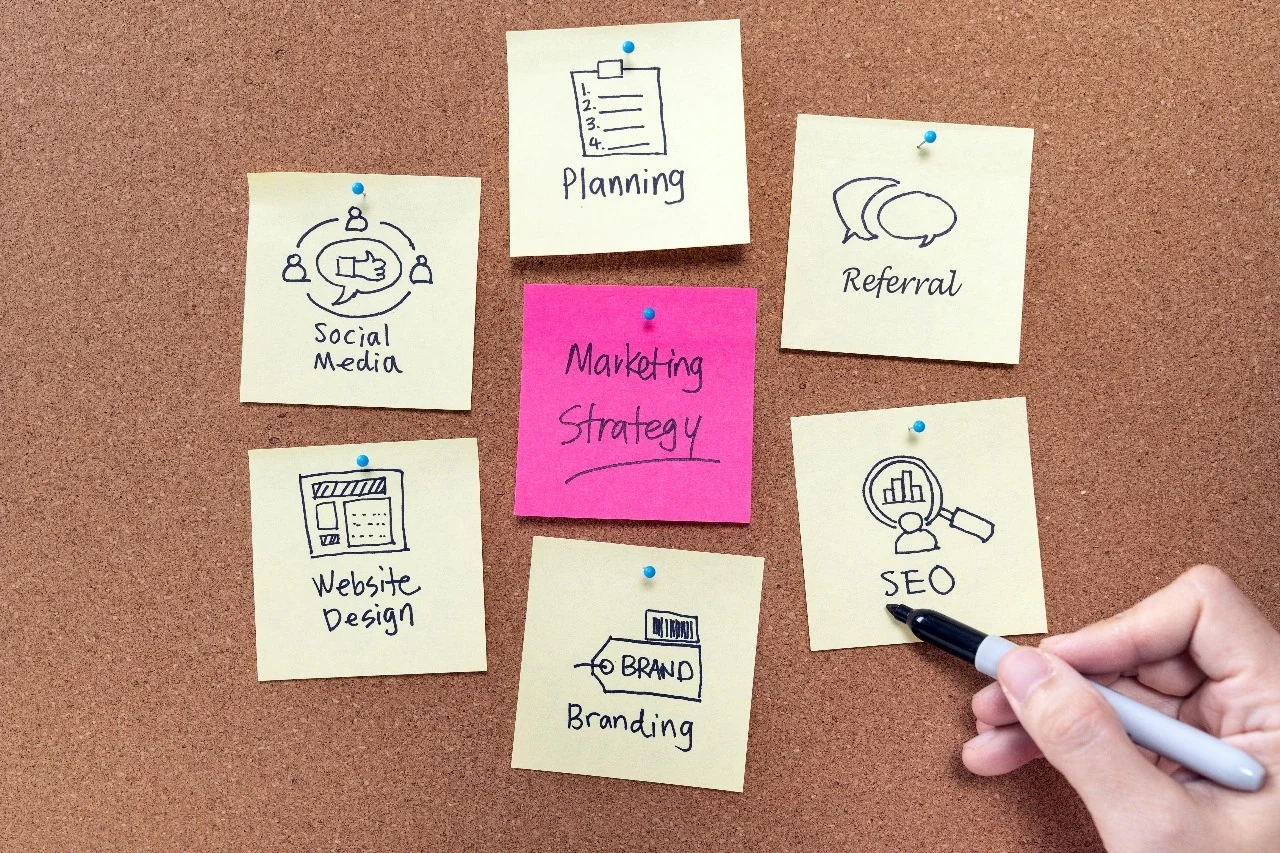
Digital marketing can feel like a vast ocean, with waves of information crashing down on you from every direction. But fear not! Just like a skilled sailor navigates through choppy waters, you can steer your business towards success with the right strategies. In this article, we’ll explore practical and engaging strategies for implementing digital marketing that anyone can understand, even if you’re just starting out.
Understanding Digital Marketing
Before we dive into the strategies, let’s quickly clarify what digital marketing is. Imagine you have a lemonade stand. Instead of just waiting for customers to come by, you start using social media to tell people about your delicious lemonade. You might even create a fun video showing how you make it. That’s digital marketing! It’s all about using online tools to reach and engage with customers.
Setting Goals: The Compass of Your Strategy
Just like a compass helps you find your way, setting clear goals will guide your digital marketing efforts. Here’s how to do it:
- Be Specific: Instead of saying, “I want more customers,” say, “I want to increase my website traffic by 30% in three months.”
- Make It Measurable: Use numbers to track your progress. For example, “I want to gain 500 new email subscribers.”
- Set Achievable Goals: Make sure your goals are realistic. If you have 10 followers now, aiming for 10,000 in a month might be too ambitious.
- Relevant Goals: Your goals should align with your overall business objectives. If your business is about selling eco-friendly products, your goal could be to raise awareness about sustainability.
- Time-Bound: Give yourself a deadline. This creates urgency and keeps you focused.
Know Your Audience: The Treasure Map
Imagine trying to sell ice cream in Antarctica—hardly anyone would be interested! Knowing your audience is like having a treasure map that shows you where to find the gold (or in this case, customers). Here’s how to create your audience profile:
- Demographics: Gather information about age, gender, location, and income. This helps you understand who your customers are.
- Interests and Behaviors: What do they like? Where do they hang out online? This information will help tailor your marketing messages.
- Pain Points: Identify the problems your audience faces that your product or service can solve. If they struggle with finding eco-friendly products, show them how yours can help!
Audit Your Assets: The Inventory Check
Before launching into the digital world, take stock of what you already have. This is like checking your pantry before cooking dinner. Here’s what to look for:
- Website: Is it user-friendly? Does it load quickly? Make sure it’s easy for visitors to navigate.
- Social Media Profiles: Are they up-to-date? Do they reflect your brand’s voice?
- Content: Review existing blog posts, videos, and graphics. Are they engaging and relevant?
Choose Your Digital Marketing Channels: The Pathways
There are many pathways in digital marketing; choosing the right ones is crucial. Here are some popular channels:
- Social Media: Platforms like Facebook, Instagram, and TikTok allow you to connect with customers directly. Share fun posts and engage with followers!
- Email Marketing: Sending newsletters or promotional emails keeps your audience informed and engaged. Just remember not to spam them!
- Search Engine Optimization (SEO): This helps your website appear in search results when people look for products or services like yours.
- Content Marketing: Create valuable content (like blogs or videos) that educates or entertains your audience while subtly promoting your brand.
Create Compelling Content: The Heart of Your Strategy
Content is king in the digital world! It’s what draws people in and keeps them coming back for more. Here’s how to create content that captivates:
- Start with a Hook: Begin with an interesting fact or question that grabs attention. For example, “Did you know that over 80% of consumers research online before making a purchase?”
- Tell Stories: People love stories! Share anecdotes about how your product helped someone or how you started your business.
- Use Visuals: Images and videos can make your content more engaging. A picture is worth a thousand words!
- Be Authentic: Show the real side of your brand. Share behind-the-scenes moments or personal experiences that resonate with your audience.
Set Up Tracking and Analytics: The GPS System
Just as GPS helps you navigate unfamiliar roads, tracking and analytics show you how well your digital marketing efforts are performing. Here’s what to do:
- Use Tools: Google Analytics is a great tool for tracking website traffic and user behavior.
- Monitor Social Media Engagement: Keep an eye on likes, shares, comments, and follower growth on social platforms.
- Adjust Based on Data: If something isn’t working (like low engagement on a specific post), don’t be afraid to change tactics!
Launching Your Campaign: Setting Sail
Now comes the exciting part—launching your campaign! Here’s how to do it smoothly:
- Create a Launch Plan: Outline what needs to be done before going live—content creation, scheduling posts, etc.
- Engage with Your Audience: Respond to comments and messages promptly. This builds trust and encourages more interaction.
- Promote Across Channels: Share your campaign on all chosen platforms for maximum reach.
- Stay Flexible: Be ready to adapt if things don’t go as planned. Sometimes the wind changes direction!
Analyze Results and Optimize: The Reflection Point
After launching your campaign, it’s time for reflection—what worked well? What didn’t? Here’s how to analyze results effectively:
- Review KPIs (Key Performance Indicators): Look at metrics like website traffic, conversion rates, and social media engagement.
- Gather Feedback: Ask customers what they thought about the campaign through surveys or social media polls.
- Make Adjustments: Use insights gained from analysis to tweak future campaigns for better results.
Continuous Learning and Adaptation
Digital marketing is always evolving—what works today might not work tomorrow! Keep learning by:
- Staying Updated on Trends: Follow industry blogs or attend webinars to keep up with new strategies.
- Experimenting with New Ideas: Don’t be afraid to try new things! Test different types of content or platforms.
- Listening to Your Audience: Pay attention to feedback from customers; they often have valuable insights that can shape future strategies.
Conclusion
Implementing effective digital marketing strategies doesn’t have to be overwhelming! By setting clear goals, understanding your audience, creating compelling content, and analyzing results regularly, you can navigate the digital landscape with confidence. Remember—every great sailor started as a landlubber! So set sail on this exciting journey of digital marketing and watch as your business grows!