Introduction
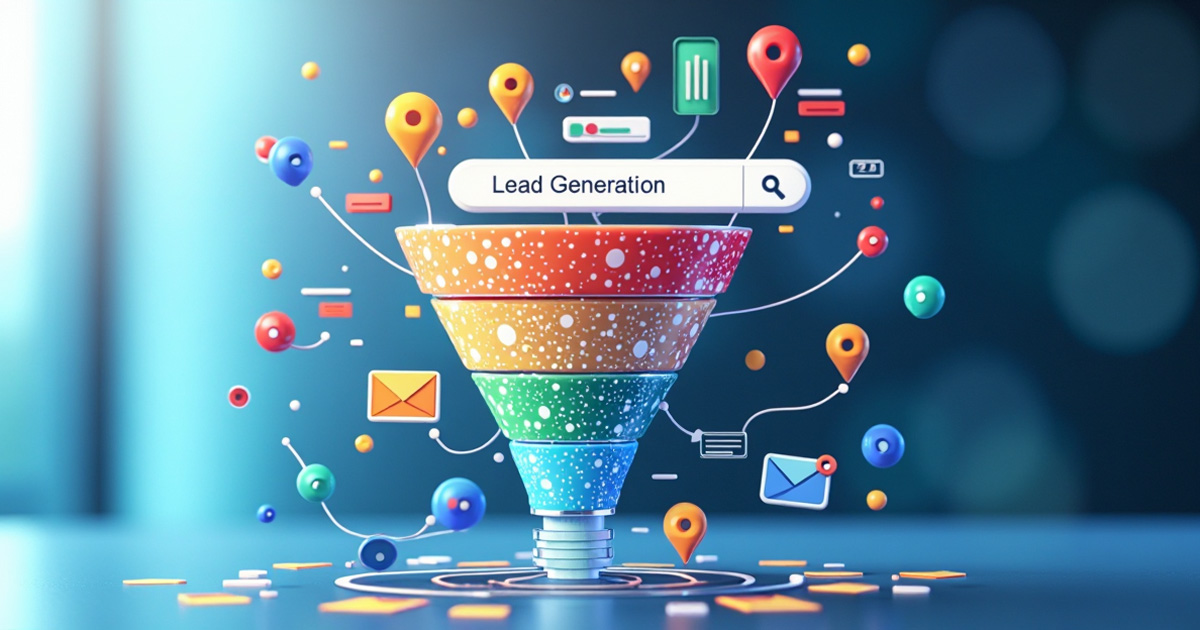
In today’s digital world, businesses thrive on effective lead collection. Lead Collection for Potential Clients in Digital Marketing is a strategic process where businesses gather contact details from interested prospects, nurturing them into loyal customers. With the right strategies, tools, and execution, businesses can maximize their customer acquisition efforts.
This comprehensive guide will explore various methods, best practices, tools, and statistics related to lead collection. We’ll also delve into optimization strategies that enhance conversion rates, ensuring businesses leverage digital marketing to its full potential.
1. Understanding Lead Collection in Digital Marketing
1.1 What is Lead Collection?
Lead collection is the process of capturing and managing contact information from potential customers who express interest in a product or service. The collected data typically includes:
- Name
- Email Address
- Phone Number
- Company Name (for B2B leads)
- Demographics
1.2 Why is Lead Collection Important?
An effective lead collection strategy is essential for businesses because:
- It enhances customer acquisition by generating a steady stream of potential buyers.
- It improves sales efficiency by focusing on interested prospects.
- It nurtures relationships, turning leads into loyal customers.
- It increases revenue through a structured sales funnel.
1.3 Types of Leads
Understanding the different types of leads helps in designing effective nurturing strategies.
| Type of Lead | Description |
| Cold Leads | Unengaged users who haven’t interacted with the brand. |
| Warm Leads | Users who have interacted with content or shown interest. |
| Hot Leads | High-intent buyers ready to make a purchase. |
2. Methods of Lead Collection in Digital Marketing
2.1 Website & Landing Pages
A well-optimized website is a primary source for lead collection.
- Lead Capture Forms: Collect user information through sign-up forms.
- Call-to-Action (CTA) Buttons: Encourage users to take action (e.g., “Download Now,” “Get a Free Quote”).
- Chatbots & Live Chat: Engage visitors in real time to capture data.
Best Practices:
- Keep forms short (only essential fields like name, email, and phone).
- Use multi-step forms to reduce friction.
- Ensure mobile optimization.
2.2 Social Media Marketing
Social media platforms offer direct and effective lead collection.
- Lead Ads (Facebook, Instagram, LinkedIn, Twitter, etc.): Users submit contact details within the ad itself.
- Engagement & Comments: Businesses can capture leads from interactions on posts.
- Giveaways & Contests: Encourage participation in exchange for contact details.
2.3 Email Marketing
Email remains one of the highest ROI marketing channels.
- Newsletter Signups: Users subscribe for exclusive content.
- Lead Magnets (eBooks, Webinars, Whitepapers): Provide value in exchange for emails.
- Personalized Email Campaigns: Tailored emails to nurture leads.
2.4 Search Engine Optimization (SEO) & Content Marketing
SEO helps businesses attract organic leads.
- Blog Posts & Articles: Provide informative content with embedded lead forms.
- Gated Content: Require users to enter details before accessing premium content.
- Quizzes & Surveys: Interactive content to collect insights.
2.5 Pay-Per-Click (PPC) Advertising
Paid ads help generate high-intent leads.
- Google Ads Lead Forms: Capture leads directly from search and display ads.
- Retargeting Campaigns: Target users who visited but didn’t convert.
2.6 Webinars & Virtual Events
Hosting online events generates quality leads.
- Require users to register before attending.
- Provide valuable insights to encourage engagement.
3. Best Practices for Effective Lead Collection
3.1 Optimize Lead Capture Forms
- Use minimal fields to reduce abandonment.
- Enable autofill options to improve usability.
3.2 A/B Testing
- Test different CTA buttons, form designs, and landing pages.
- Analyze which versions perform best.
3.3 Use CRM & Automation Tools
Managing leads effectively requires the right tools.
| Tool Type | Popular Options |
| CRM | HubSpot, Salesforce, Zoho CRM |
| Email Marketing | Mailchimp, ActiveCampaign, ConvertKit |
| Chatbots & Live Chat | Drift, Intercom, Tidio |
| Landing Page Builders | Unbounce, Leadpages, ClickFunnels |
4. Measuring Lead Collection Success
Tracking key performance indicators (KPIs) ensures continuous improvement.
| Metric | Description |
| Conversion Rate | % of visitors who become leads. |
| Cost Per Lead (CPL) | Total spend divided by leads acquired. |
| Lead Quality Score | Likelihood of conversion. |
| Email Open Rate | Effectiveness of email campaigns. |
4.1 Key Statistics
- 53% of marketers allocate half or more of their budget to lead generation.
- 91% of marketers consider lead generation their top priority.
- 80% of new leads never convert, stressing the need for nurturing strategies.
- LinkedIn generates 80% of B2B leads from social media marketing.
5. Conclusion
Lead Collection for Potential Clients in Digital Marketing is essential for business success. By leveraging website forms, social media, email marketing, SEO, PPC, and webinars, businesses can capture and nurture leads efficiently.
To maximize results:
- Implement lead qualification strategies.
- Use automation tools for efficiency.
- Continuously analyze and optimize strategies.
By adopting these best practices, businesses can ensure a steady flow of high-quality leads and drive long-term growth.