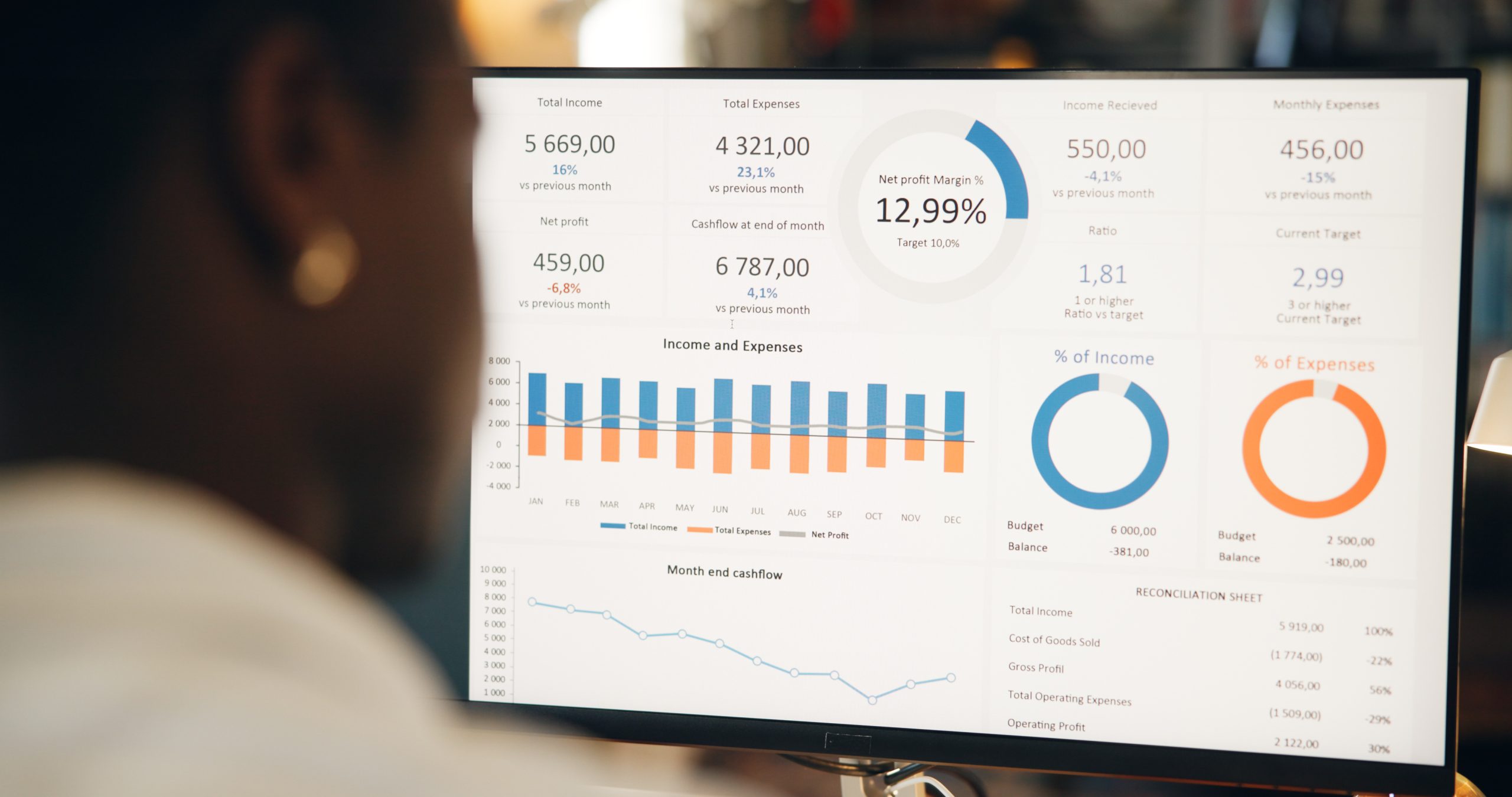
In the fast-evolving world of digital marketing, optimizing campaigns based on data insights is essential for driving performance and achieving specific business goals. Data-driven marketing enables businesses to craft targeted strategies, improve audience engagement, and maximize ROI. This article explores strategies, best practices, tools, and advanced techniques to optimize digital marketing campaigns effectively.
Introduction to Campaign Optimization
Campaign optimization is the process of analyzing, adjusting, and refining marketing efforts to achieve maximum effectiveness. This includes leveraging performance metrics, audience data, and advanced tools to enhance engagement, increase conversions, and improve the overall return on investment (ROI).
The Role of Data Insights in Campaign Optimization
Benefits of Data Analytics
Using data insights in digital marketing delivers multiple advantages:
- Personalized Strategies: Tailored messages resonate more with audiences, improving engagement.
- Performance Tracking: Real-time metrics allow for quick adjustments to campaigns.
- Efficient Budget Allocation: Resources can be directed to the most effective channels.
Key Data Sources for Insights
To optimize campaigns, marketers rely on diverse data sources, including:
- Website Analytics: Tools like Google Analytics track user behavior on websites.
- Social Media Metrics: Platforms provide data on reach, impressions, and engagement.
- CRM Systems: Customer data from CRM systems aids in audience segmentation.
- Advertising Platforms: Campaign performance metrics from platforms like Google Ads.
Best Practices for Optimizing Campaigns
1. Set Clear Goals and KPIs
Define specific, measurable goals aligned with broader business objectives. Examples include:
- Increasing website traffic by 25% within 3 months.
- Boosting conversion rates on landing pages by 15%.
2. Understand and Segment Your Audience
Utilize audience data to create segments based on demographics, behavior, and preferences.
- Example: Group customers into categories such as “frequent buyers” or “new visitors.”
3. Leverage A/B Testing
Conduct A/B testing to compare elements like:
- Ad Copy: Test different headlines and CTAs.
- Visuals: Evaluate the performance of images versus videos.
- Landing Pages: Optimize layouts, forms, and CTAs for better conversions.
4. Monitor Key Metrics
Regularly track key performance indicators (KPIs):
- Click-through rate (CTR)
- Cost-per-click (CPC)
- Conversion rates
- Customer lifetime value (CLV)
Example of a KPI Tracking Table
| Metric | Goal | Current Performance | Improvement Needed |
| CTR | 3.5% | 2.8% | +0.7% |
| Conversion Rate | 10% | 8% | +2% |
5. Implement Retargeting Strategies
Retarget users who have interacted with your brand but didn’t convert.
- Example: Use ads to remind users of abandoned carts.
6. Adapt to Trends
Stay updated with market trends and algorithm changes on platforms like Google and social media.
Advanced Techniques in Campaign Optimization
1. Dynamic Creative Optimization (DCO)
Leverage AI to create tailored ads in real-time.
- Example: Personalize product ads based on a user’s browsing history.
2. Predictive Analytics
Forecast customer behavior using historical data.
- Example: Identify which audience segments are most likely to convert.
3. Automation in Campaign Management
Automate repetitive tasks such as bid adjustments or email campaigns to save time and increase precision.
4. Improving User Experience (UX)
Focus on seamless navigation, fast loading times, and mobile-friendly designs.
Chart: Common UX Enhancements and Benefits
| UX Improvement | Benefit |
| Mobile Optimization | Increases mobile conversions. |
| Faster Load Times | Reduces bounce rates. |
| Clear Navigation | Enhances user satisfaction. |
Tools for Data-Driven Campaign Optimization
- Google Analytics: Tracks website and user behavior.
- HubSpot: Provides CRM and marketing automation.
- SEMrush: For SEO and competitive analysis.
- Hootsuite: Social media management and insights.
- AdEspresso: Optimizes ad campaigns on Facebook and Instagram.
Challenges and Solutions in Campaign Optimization
Common Challenges
- Data Overload: Too much data can overwhelm decision-making.
- Rapid Market Changes: Trends and algorithms change frequently.
- Budget Constraints: Limited resources for experimentation.
Solutions
- Use AI and automation to analyze large datasets quickly.
- Regularly update strategies to align with industry trends.
- Prioritize high-impact areas for budget allocation.
Conclusion
Optimizing campaigns based on data insights in digital marketing is both an art and a science. By setting clear goals, leveraging advanced tools, and continuously refining strategies through A/B testing, dynamic optimization, and predictive analytics, marketers can achieve remarkable results. Staying agile and data-driven ensures campaigns remain relevant and impactful in an ever-changing digital landscape.