In today’s fast-paced digital world, businesses are constantly seeking ways to streamline their marketing efforts, improve efficiency, and drive better results. Enter Marketing Automation Software—a game-changing tool that has transformed the way companies approach marketing. Whether you’re a small business owner or a marketing professional at a large enterprise, understanding and leveraging marketing automation software can significantly enhance your marketing strategies.
In this comprehensive guide, we’ll dive deep into what marketing automation software is, its benefits, key features, and how to choose the right solution for your business. We’ll also explore real-world examples, best practices, and future trends to help you stay ahead of the curve.
What is Marketing Automation Software?
Marketing automation software refers to platforms and technologies designed to automate repetitive marketing tasks, streamline workflows, and improve the overall efficiency of marketing campaigns. These tools enable businesses to nurture leads, personalize customer interactions, and measure campaign performance—all while saving time and resources.
From email marketing and social media management to lead scoring and analytics, marketing automation software covers a wide range of functionalities. It’s particularly useful for businesses looking to scale their marketing efforts without increasing their workload.
Why Your Business Needs Marketing Automation Software
In a world where customer expectations are higher than ever, businesses must deliver personalized, timely, and relevant experiences. Here’s why marketing automation software is essential:
- Saves Time and Resources: Automating repetitive tasks like email campaigns and social media posting frees up your team to focus on strategic initiatives.
- Improves Lead Nurturing: By automating follow-ups and personalized messaging, you can guide leads through the sales funnel more effectively.
- Enhances Customer Experience: Personalized content and timely interactions boost customer satisfaction and loyalty.
- Provides Valuable Insights: Advanced analytics help you track campaign performance and make data-driven decisions.
- Scales with Your Business: As your business grows, marketing automation software can handle increased workloads without compromising quality.
Key Features of Marketing Automation Software
Not all marketing automation tools are created equal. Here are the must-have features to look for:
- Email Marketing Automation: Schedule and send personalized emails based on user behavior.
- Lead Scoring and Management: Identify high-quality leads and prioritize them for your sales team.
- CRM Integration: Seamlessly connect with your customer relationship management (CRM) system.
- Social Media Management: Schedule posts, track engagement, and analyze performance across platforms.
- Analytics and Reporting: Gain insights into campaign performance and ROI.
- Multi-Channel Marketing: Manage campaigns across email, social media, SMS, and more.
- A/B Testing: Experiment with different strategies to optimize results.
- Workflow Automation: Create custom workflows to automate complex marketing processes.
Top Benefits of Using Marketing Automation Software
Implementing marketing automation software can deliver significant advantages for your business. Here are the top benefits:
- Increased Efficiency: Automate repetitive tasks to save time and reduce human error.
- Higher Conversion Rates: Personalized and timely interactions lead to better engagement and conversions.
- Improved ROI: By optimizing campaigns and reducing manual effort, you can achieve a higher return on investment.
- Better Lead Management: Identify and nurture leads more effectively, resulting in more sales opportunities.
- Enhanced Customer Retention: Deliver personalized experiences that keep customers coming back.
How to Choose the Right Marketing Automation Software
With so many options available, selecting the right marketing automation software can be overwhelming. Here’s a step-by-step guide to help you make the best choice:
- Define Your Goals: Identify what you want to achieve with marketing automation (e.g., lead generation, customer retention).
- Assess Your Budget: Determine how much you’re willing to invest in a solution.
- Evaluate Features: Choose a platform that offers the features you need.
- Consider Integration: Ensure the software integrates with your existing tools (e.g., CRM, email platforms).
- Check Scalability: Opt for a solution that can grow with your business.
- Read Reviews and Testimonials: Learn from the experiences of other users.
- Request a Demo: Test the software before making a commitment.
Best Marketing Automation Software Tools in 2023
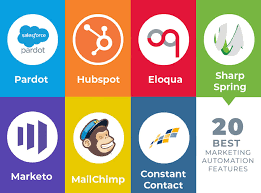
Here’s a list of the top marketing automation software tools to consider in 2023:
| Software | Key Features | Pricing |
| HubSpot | All-in-one marketing, sales, and CRM tools | Starts at $45/month |
| Marketo | Advanced lead management and email marketing | Custom pricing |
| Pardot | B2B marketing automation with Salesforce integration | Starts at $1,250/month |
| ActiveCampaign | Email marketing, CRM, and automation | Starts at $9/month |
| Mailchimp | Email marketing and basic automation | Free plan available |
| Keap (formerly Infusionsoft) | CRM and automation for small businesses | Starts at $79/month |
Real-World Examples of Marketing Automation Success
Many businesses have achieved remarkable results using marketing automation software. Here are a few examples:
- Company A: Increased email open rates by 30% and reduced manual effort by 50% using HubSpot.
- Company B: Improved lead conversion rates by 20% with Marketo’s advanced lead scoring features.
- Company C: Boosted customer retention by 15% through personalized email campaigns with ActiveCampaign.
Best Practices for Implementing Marketing Automation Software
To get the most out of your marketing automation software, follow these best practices:
- Start Small: Begin with basic automation and gradually expand as you gain experience.
- Segment Your Audience: Use data to create targeted campaigns for different customer segments.
- Personalize Content: Tailor your messaging to meet the needs and preferences of your audience.
- Monitor Performance: Regularly review analytics to identify areas for improvement.
- Train Your Team: Ensure your team is well-versed in using the software effectively.
Future Trends in Marketing Automation Software
The future of marketing automation software is bright, with several exciting trends on the horizon:
- AI-Powered Automation: Artificial intelligence will enable even more personalized and predictive marketing.
- Omnichannel Marketing: Seamless integration across multiple channels will become the norm.
- Voice Search Optimization: As voice search grows, marketing automation tools will adapt to this trend.
- Enhanced Data Privacy: Tools will prioritize compliance with data protection regulations like GDPR.
FAQs About Marketing Automation Software
Q: What is the best marketing automation software for small businesses?
A: HubSpot and ActiveCampaign are excellent options for small businesses due to their affordability and ease of use.
Q: Can marketing automation software replace my marketing team?
A: No, it’s designed to complement your team by automating repetitive tasks and improving efficiency.
Q: How much does marketing automation software cost?
A: Costs vary widely, from free plans (e.g., Mailchimp) to enterprise-level solutions costing thousands of dollars per month.
Q: Is marketing automation software suitable for B2B companies?
A: Absolutely! Tools like Pardot and Marketo are specifically designed for B2B marketing.
Conclusion
Marketing automation software is no longer a luxury—it’s a necessity for businesses looking to thrive in the digital age. By automating repetitive tasks, personalizing customer interactions, and providing valuable insights, these tools can help you achieve your marketing goals more efficiently and effectively.
Whether you’re just starting out or looking to upgrade your current solution, investing in the right marketing automation software can transform your business. So, take the time to evaluate your options, implement best practices, and stay ahead of the curve with the latest trends.